
Laura Robb's Painting Process: Soft Edges, Color, and Composition
How does Laura decide what to emphasize in a painting?
Laura approaches all of her paintings with the same strategies, but one aspect of a composition usually becomes more intriguing to her, and that's what ends up being emphasized. Rather than setting one priority for the whole painting, she emphasizes different areas in different ways. For example, if she really likes the soft edges in a particular area, and capturing them is important to the depth, she won't also make color temperature a priority in that same area.
She considers John Singer Sargent a master at using color changes in places where they didn't compromise the depth, and that's more or less what she aims for.
"Sargent was a master at using color changes in places where it didn't compromise the depth and that's more or less what I aim for."
What tools does Laura use to create soft edges?
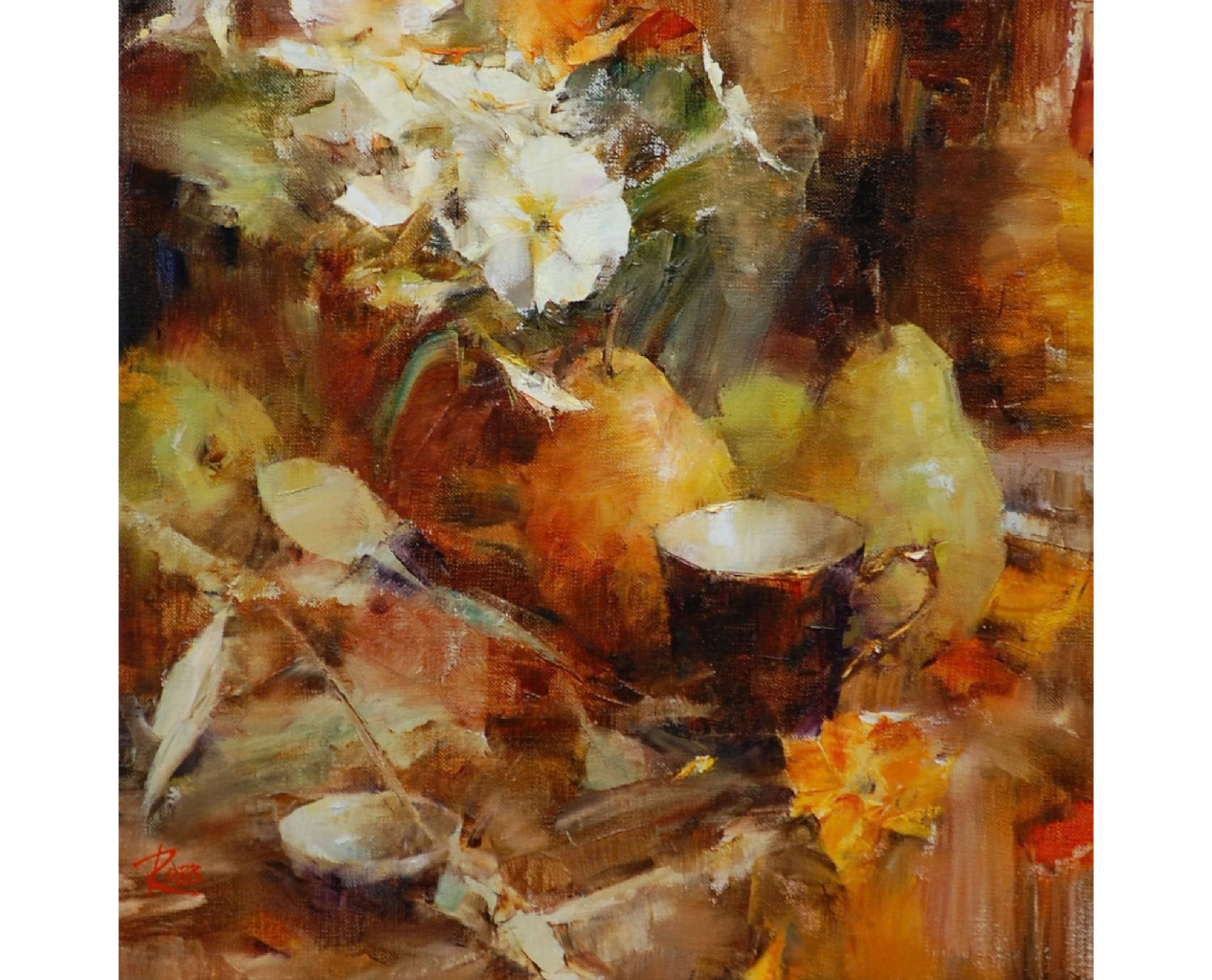
Laura mostly uses a brush, but she creates some edges with a palette knife by scraping the paint on. Occasionally she uses her fingers, though she admits that's not a good habit. When she wipes down an area, she leaves the "ghost" (the faint trace of the earlier paint) showing through wherever it works, which is another way soft edges happen.
More important than any tool, though, is envisioning the subject without outlines and using shapes alone to define the object.
How long does it take Laura to set up a still life composition?
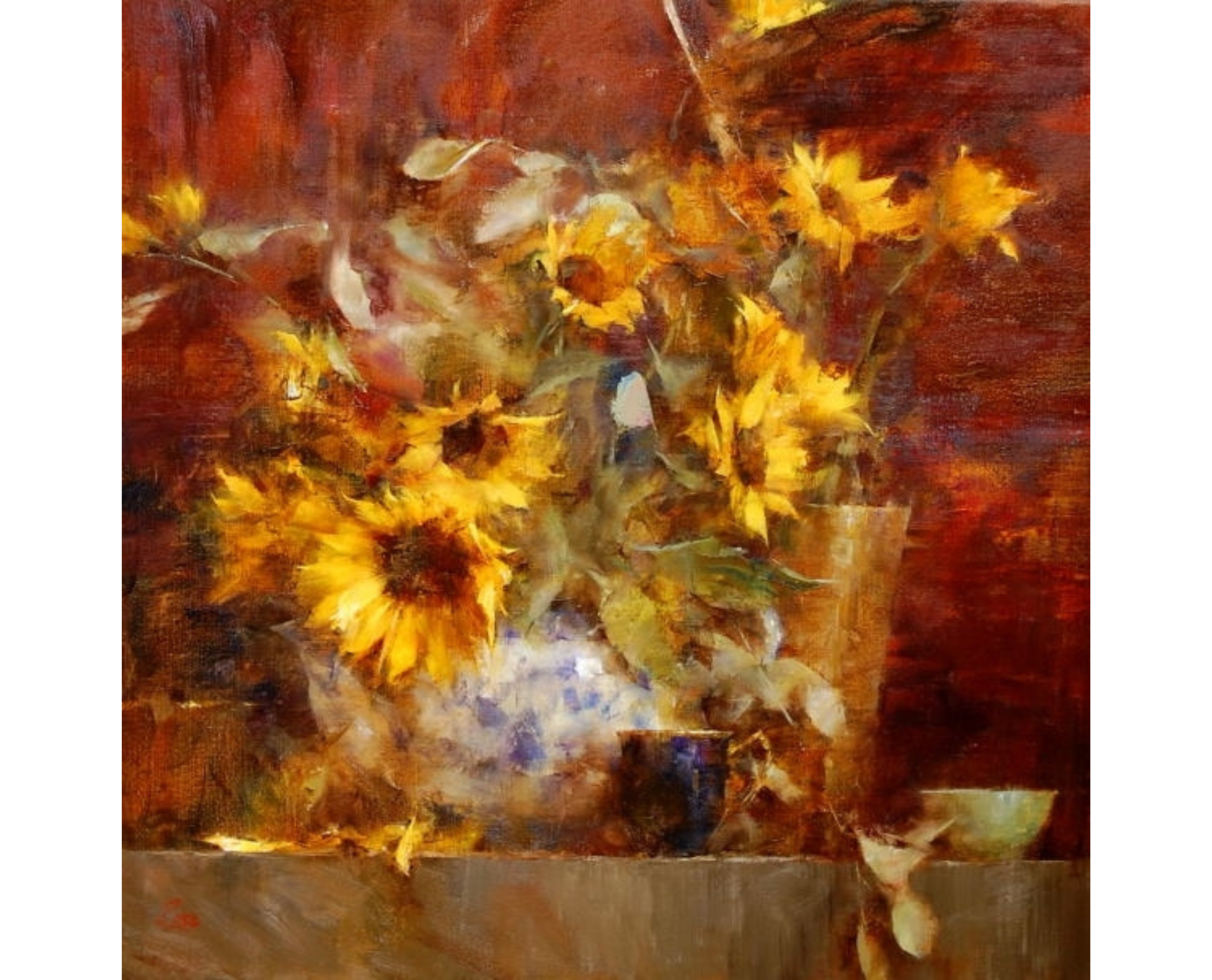
Laura spends longer on compositions than most people would guess, partly because one of her goals is to keep them from looking too arranged. For larger, more complicated setups, she spends most of the day, on and off, moving things around. If she's still happy with the arrangement the next day, she begins painting. Smaller setups go more quickly, but she usually plans on at least an hour or two.
It also depends on the flowers. As Laura puts it, with day lilies and poppies, one day is all you have!