
How the Direction of Light Affects Your Painting
From Andy Evansen
The direction of light shapes how forms, shadows, and depth appear in a painting.
Painters get the most visual interest from low-angle light in the early morning or late afternoon, when shadows are long and the light is soft. Side lighting and backlighting add drama, while flat midday light makes forms harder to define.
Let's dive into something fascinating in the world of painting: the direction of light. The sun transforms everything it touches, casting shadows and creating highlights. Once we understand how this works, we can use it to our advantage.
What is the best time of day to paint or take reference photos?
Early morning and late afternoon are the best times to paint or take reference photos. At these times the light is soft and shadows are long, which creates dramatic, visually appealing effects.
The direction of light can significantly enhance the visual interest of your finished piece. Low-angle light gives you clear shapes, strong contrasts, and a natural sense of mood, making it ideal for capturing reference photos or starting a painting.
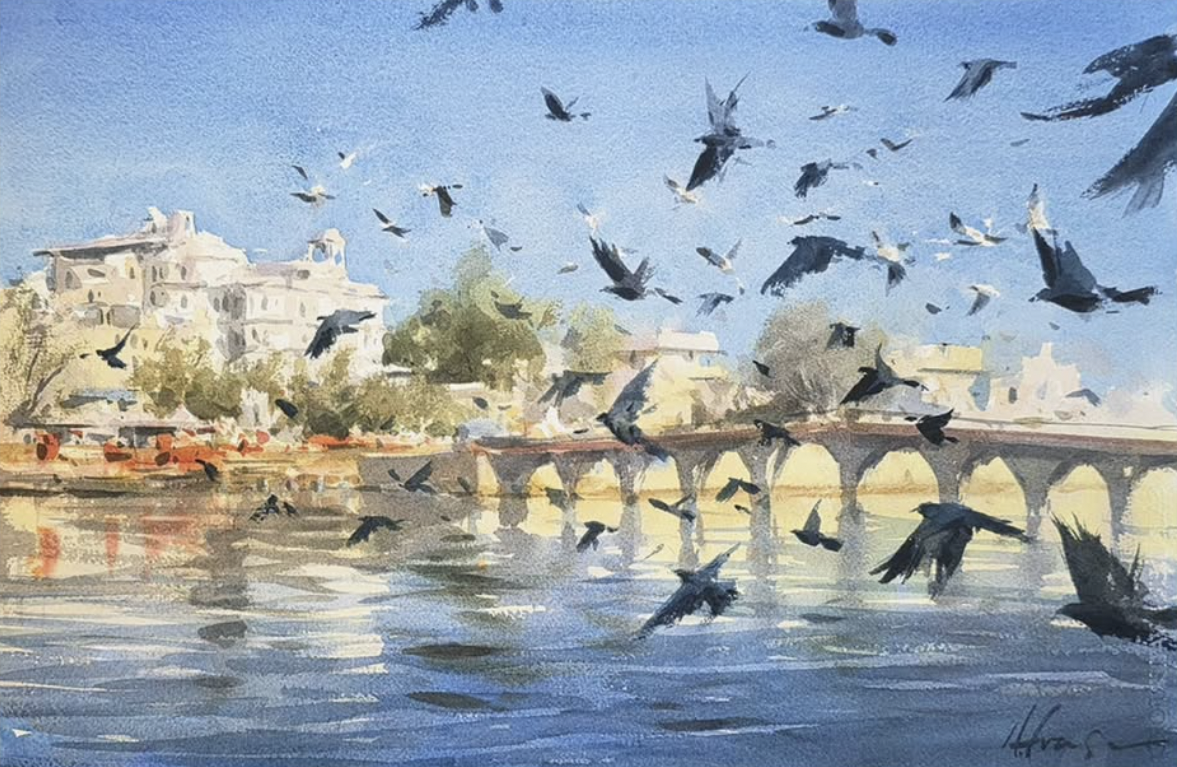
What does connecting shadow shapes mean in painting?
Connecting shadow shapes means linking the shadows of separate objects into larger, unified shapes. This simplifies the scene and creates a more cohesive composition.
Have you ever noticed how shadows can link different objects together, like a tree's shadow merging with the shadow of a nearby bench? In painting, connecting these shadow shapes works like assembling puzzle pieces. When the shadows connect, the composition feels unified rather than broken into scattered parts.
Why is flat light difficult to paint?
Flat light is difficult to paint because it removes the distinct shadows and highlights that define form and depth. It typically occurs at midday or on overcast days.
Under flat light, everything tends to look the same. Without a clear light side and shadow side, objects lose their sense of shape and dimension. It's like trying to draw in a room with the lights off: everything blends together, making it hard to distinguish individual elements.

What is the difference between backlighting and sidelighting?
Backlighting places the light source behind the subject, creating strong silhouettes. Sidelighting hits the subject from the side, creating a clear division between light and shadow.
Backlighting simplifies forms and creates striking contrasts. Think of a sunset where people appear as dark shapes against a bright sky.
Sidelighting adds depth and dimension. The clear split between the light side and the shadow side makes a painting appear more three-dimensional and dynamic.
How much detail should you put in the light and shadow areas?
Focus your detail in either the light areas or the shadow areas, not both. When both are packed with detail, the painting can become confusing and overwhelming.
Think of it like a story: if too much is happening at once, it's hard to follow and appreciate the main elements. Letting one area stay simple gives the viewer's eye a place to rest and makes the detailed area stand out.
Key takeaways: using light direction in painting
Light can be your best ally in painting. It helps you see and depict forms in a more interesting and engaging way. To make the most of it:
Take reference photos early in the morning or late in the afternoon for soft, directional light.
Look for opportunities to connect shadow shapes into larger, unified masses.
Avoid working under flat midday or overcast light when possible.
Experiment with backlighting for silhouettes and sidelighting for depth.
Keep detail concentrated in either the lights or the shadows.
By understanding and using the direction of light, you can create more compelling work.
Andy Evansen offers a variety of ways to immerse yourself in the world of watercolor. Join him below: