
The Artist's Eye: What Is Patina in Bronze Sculpture?
A Guide from Sculptor Simon Kogan
Quick answer: Patina is the coloring or surface treatment applied to bronze sculpture — historically used to protect and preserve metal, but used by contemporary artists like Simon Kogan as an expressive tool to shape mood, reveal form, and tell a story. Modern patina can range from bright gold leaf to a "crusty" weathered finish that mimics centuries of aging, and virtually any color is achievable on bronze today.
When sculptor Simon Kogan talks about patina, he isn't just describing color on bronze — he's describing a way to bring life, emotion, and depth to a form. In his view, patina isn't decoration or an afterthought. It's a language that helps a sculpture speak.
What Is Patina, Exactly?
Patina is the surface coloring and texture applied to bronze (or other metal) sculpture, created through chemical reactions, heat treatment, gilding, or pigment application. Traditionally, patina formed naturally as metal aged and oxidized. Today, artists apply it intentionally to control how a finished piece looks and feels.
Key takeaway: Patina is not just a "finish" — it's an active design choice that shapes how a viewer emotionally experiences a sculpture.
How Has the Use of Patina Changed Over Time?
The concept of patina has deep historical roots, but its role has shifted dramatically.
In ancient Greece: Bronze sculptures were kept bright and gleaming, and painted with vivid color to enhance visibility in strong Mediterranean sunlight. Many statues we now think of as bare, aged bronze or white marble were originally boldly decorated.
Today: Patina is used not to preserve a "natural" look, but to interpret the sculpture — defining mood, drawing out form, and telling the story of the material itself.
Simon encourages artists to borrow the boldness of the ancient Greeks while embracing the far greater range of techniques available now.
How Do Artists Use Patina as a Form of Expression?
In Simon Kogan's studio, patina functions as a tool of interpretation rather than simple coloring.
"Everything goes. Practically every color of the palette is possible in coloring bronze." — Simon Kogan
Examples from his work show the range of what patina can do:
Ceramic-inspired patina: One sculpture, originally created in clay, was patinated to preserve the softness of the original material in bronze — fusing the strength of metal with the fragility of the source material.
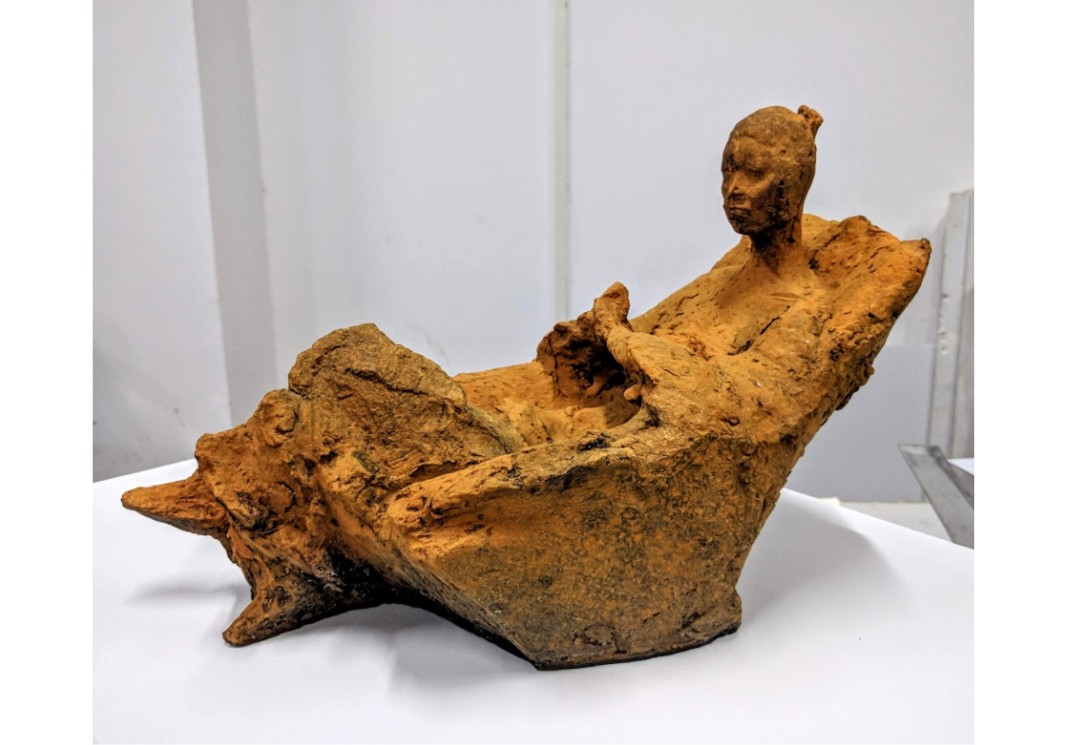
Bright orange patina: Used on another piece to capture the energy and personality of its subject.
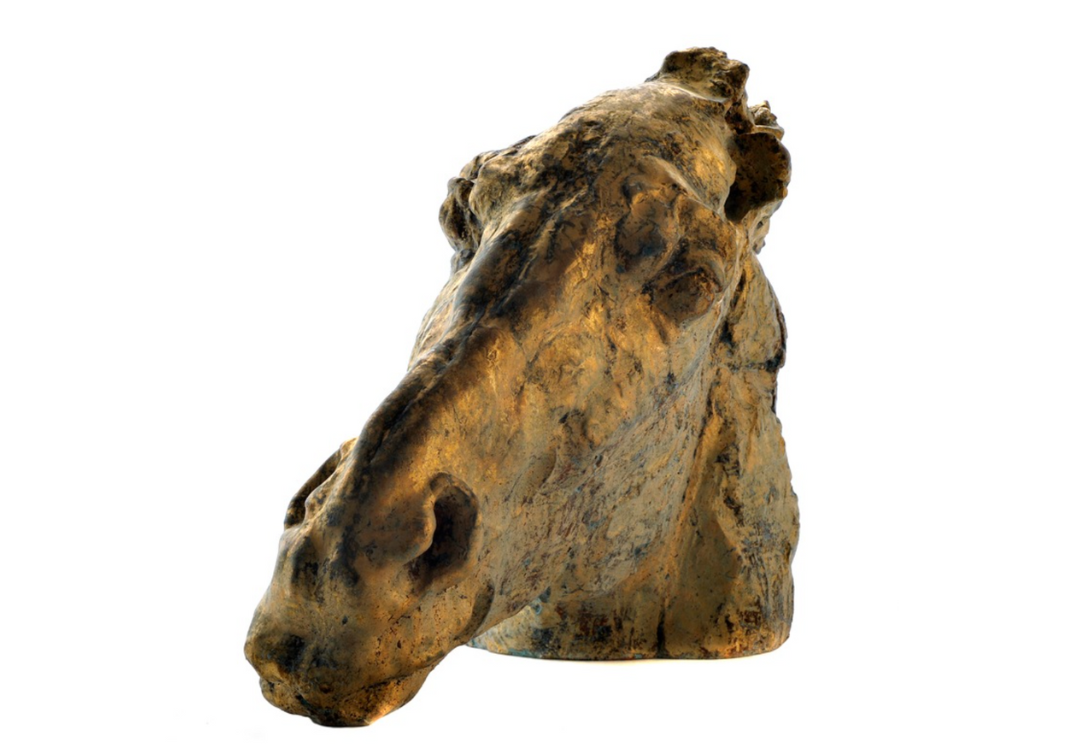
Gold leaf patina: Applied as a nod to ancient Greek practice, allowing the sculpture to shimmer in light. As Simon notes, "Depending on what's underneath, the appearance is going to be different. But gold never changes — it will stay like that forever."
Can Patina Make Bronze Look Aged or Buried?
Yes. Not every patina is meant to shine. Some pieces are intentionally treated to look aged, buried, or weathered, using what Simon calls a "crusty, rich patina" — designed to look as though the sculpture spent centuries underground.
This isn't imitation for its own sake. It's storytelling: a way of embedding the passage of time directly into the surface of the piece.
What Is Simon Kogan's Philosophy on Patina?
For Simon, patina exists to reveal form, not disguise it. Unlike purely decorative coloring, his approach treats patina as a partner to the sculpture's structure — exposing its rhythm, weight, and emotional tone.
"I use patina to expose the form more pronouncedly, to bring more of the effect of the sculpture." — Simon Kogan
The core lesson for artists: patina is not an afterthought. It belongs in the creative process alongside composition and proportion — connecting the sculpture to its environment and continuing the long conversation between surface and form.
What Techniques Are Used to Create Patina Today?
Contemporary sculptors have access to a wide range of methods that can be combined for subtle or striking results, including:
Chemical patinas
Heat patinas
Gilding (gold leaf)
Applied pigments
Simon's advice to artists: explore without fear. There are no longer rigid rules about what a sculpture "should" look like — only the challenge of making the surface serve the idea.
FAQ: Patina in Bronze Sculpture
Is patina just for protecting bronze from weather damage? Historically, yes — patina formed naturally as a protective oxidized layer. Today, artists like Simon Kogan apply it intentionally as a creative and expressive technique, not only for protection.
Can bronze sculptures be any color? Nearly any color is achievable through modern patina techniques, according to Simon Kogan: "Practically every color of the palette is possible in coloring bronze."
Why did ancient Greek bronze statues look different from how we picture them today? Ancient Greek bronzes were originally bright, polished, and painted in vivid color to stand out in sunlight — not the bare, weathered bronze we associate with antiquity today.
Does gold leaf patina change over time? No. Unlike other patinas, gold leaf remains visually consistent — as Simon Kogan explains, "gold never changes — it will stay like that forever."
The Takeaway
Patina is not just a finish — it's an act of transcending, taking a sculpture from metal to meaning. Whether bright and gilded or aged and weathered, patina gives artists a language for emotion, memory, and story, turning surface treatment into one of sculpture's most powerful expressive tools.